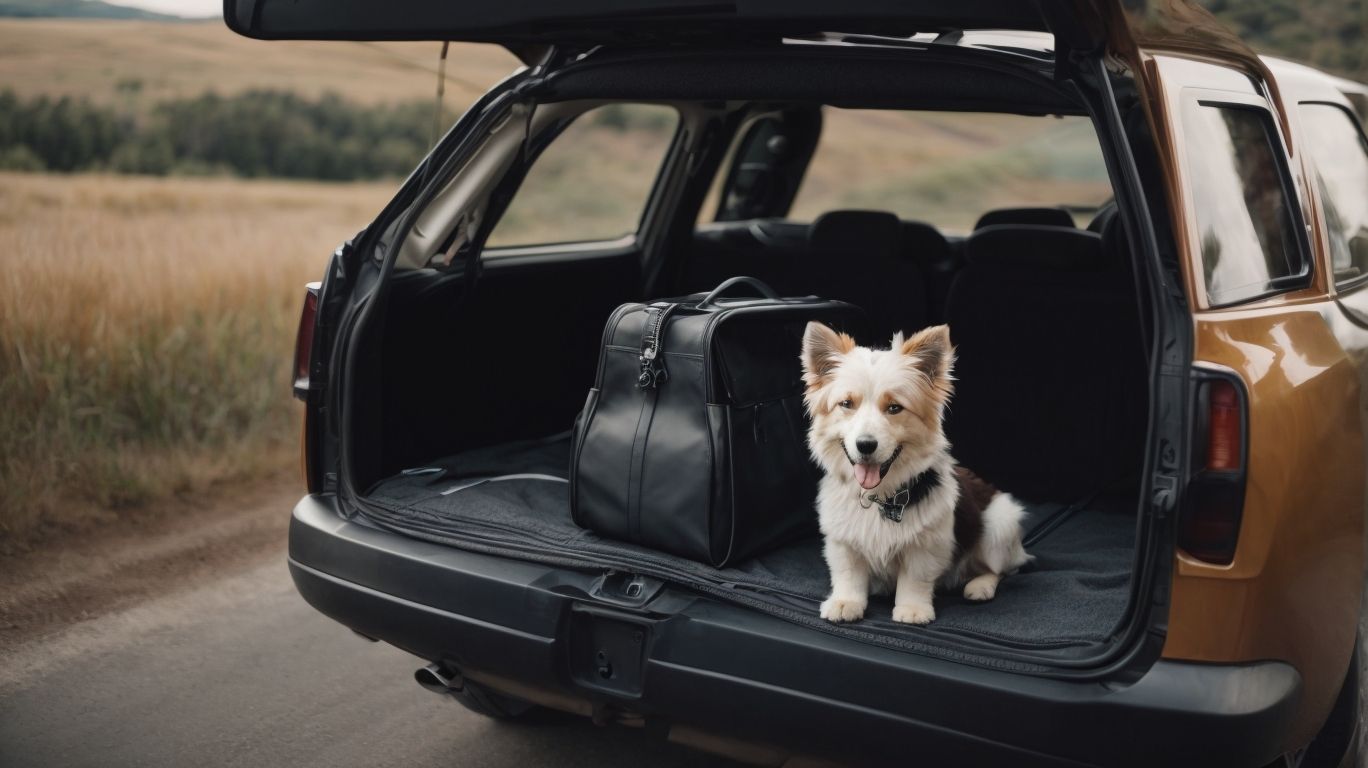


Transporting your beloved pet across the country can be a daunting task, but with the right guidance and preparation, it can be a smooth and stress-free experience for both you and your furry friend. In this comprehensive guide, we’ll cover everything you need to know about pet transport, from researching airline policies to choosing the right pet carrier for comfort and safety. We’ll also delve into the crucial steps for preparing your pet for travel, understanding the health requirements for transport, and ensuring their comfort throughout the journey.
Whether you’re relocating or simply planning a vacation with your pet, this article will provide you with essential tips and insights to make the process as seamless and worry-free as possible.
Key Takeaways:
Introduction to Pet Transport Across Country
Pet transport across country involves careful planning and consideration of various factors to ensure the comfort, safety, and wellbeing of your pet throughout the journey.
One of the crucial elements of pet transport is adhering to the airline policies and regulations. These guidelines are put in place to guarantee the safety and well-being of the animals during the journey.
Comfort is essential, as prolonged periods in transit can be stressful for pets. When planning a pet’s journey, it’s vital to consider the size and breed of the animal, as well as any specific health or behavioral needs.
Moreover, proper documentation and identification are critical to ensure a smooth and hassle-free experience.
Research Airline Policies for Pet Transport
Before embarking on pet transport, it is crucial to thoroughly research and understand the specific airline policies and requirements related to pet transportation.
Choosing the Right Pet Carrier for Comfort and Safety

Selecting the appropriate pet carrier is essential to ensure the comfort, safety, and security of your pet during the journey, considering factors such as size, ventilation, and suitability for specific breeds.
Preparing Your Pet for Travel
Preparing your pet for travel involves meticulous attention to their health and well-being, including vaccinations, health checks, and stress-calming techniques recommended by a qualified veterinarian.
Vaccinations and Health Check
Ahead of pet transport, ensure that your pet’s vaccinations are up to date, and schedule a thorough health check with a qualified veterinarian to fulfill the specific requirements of the destination.
Destination-specific requirements for pet travel can vary widely, so it’s crucial to stay informed about the necessary vaccinations and health checks for your furry friend. Some countries or regions may have strict regulations regarding diseases that could potentially be brought into their area. By being proactive and following the guidelines, you not only comply with the laws but also ensure the well-being of your pet and those in the destination location.
It’s important to note that failing to meet these requirements can lead to delays, additional expenses, or even refusal of entry for your pet. Adhering to the vaccination and health check rules not only eases the travel process but also contributes to the overall safety and health of pets worldwide.
Familiarizing Your Pet with the Carrier
Introduce your pet to the carrier gradually, allowing them to acclimate to the space and associating it with positive experiences to alleviate any travel-related stress or anxiety.
Begin by leaving the carrier open in a familiar and comfortable environment, enticing your pet to explore the carrier at their own pace. Place their favorite toys, blankets, or treats inside the carrier, encouraging them to venture in and out freely.
Once they show curiosity, gently close the door for short periods while they are inside, providing reassurance and positive reinforcement. Gradually increase the duration of time spent in the carrier, ensuring they feel secure and at ease.

It’s essential to associate the carrier with positive experiences, such as feeding them their meals inside or taking short trips to enjoyable locations. This helps build a positive association with the carrier, minimizing apprehension and fear.
Establishing a Feeding Schedule
Establish a consistent feeding schedule for your pet before travel, ensuring their comfort and well-being during transportation and minimizing the risk of digestive issues.
A regular feeding schedule is essential as it helps in maintaining your pet’s routine, reducing stress levels, and preventing any potential discomfort during the journey. Proper nutrition before travel also contributes to pet health and mental well-being, ensuring that they are adequately nourished and energized for the trip. A structured feeding schedule positively impacts digestion and decreases the likelihood of motion sickness or anxiety-related stomach issues, promoting a smoother and more comfortable travel experience for your beloved pet.
Using Calming Techniques for Stress Management
Implement calming techniques such as pheromone sprays or soothing music to alleviate your pet’s stress and anxiety during the journey, promoting a sense of security and comfort.
Alongside the use of pheromone sprays and soothing music, it’s essential to create a familiar and cozy environment within the pet carrier or crate. Placing familiar bedding or a favorite toy can provide a comforting sense of familiarity and security for your pet.
Ensuring proper ventilation and temperature control within the travel carrier is crucial. Adequate airflow and maintaining a suitable temperature can help prevent overheating or discomfort, contributing to a more relaxed travel experience for your pet.
It’s advisable to gradually acclimatize your pet to the carrier or crate before the journey, associating it with positive experiences and rewards to reduce anxiety about confinement. This gradual familiarization process can significantly reduce stress during travel.
Planning for Comfort and Safety During the Journey
Planning for comfort and safety is paramount throughout the entire journey, encompassing measures to mitigate potential hazards, ensure adequate rest, and maintain your pet’s well-being.
Understanding Pet Health Requirements for Transport

Familiarize yourself with the specific health requirements for pet transport, which may include quarantine regulations, species-specific considerations, and certification from a qualified veterinarian.
Ensuring Your Pet’s Comfort During the Journey
Ensuring your pet’s comfort during the journey involves meticulous attention to their well-being, adherence to safety regulations, and proactive measures to create a soothing and secure travel environment.
Choosing the Right Timing for Pet Transport
Selecting the right timing for pet transport involves careful planning, consideration of the journey duration, and potential weather conditions to ensure a safe and comfortable travel experience for your pet.
Monitoring Your Pet After Arrival
After the journey, it is essential to closely monitor your pet’s well-being, conduct a thorough health check if necessary, and ensure they acclimate comfortably to the new environment.
Conclusion and Final Tips for Pet Transport
In conclusion, pet transport requires meticulous planning, adherence to safety guidelines, and a steadfast commitment to ensuring the comfort and well-being of your beloved companion throughout the entire journey.
Frequently Asked Questions
1. How do I safely transport my pet across the country?
To ensure the safety of your pet during long-distance transportation, it’s important to plan ahead. Make sure your pet is up-to-date on all necessary vaccinations and obtain a health certificate from your veterinarian. It’s also recommended to microchip your pet in case they get lost during the journey. Finally, choose a reputable pet transportation company or research pet-friendly airlines and their policies. For more on this topic and finding the cheapest way to transport your pet, check out our detailed guide on the cheapest way to transport a dog across the country.
2. How can I ensure my pet’s comfort during a cross-country trip?
Comfort is crucial for your pet during a long journey. Make sure to provide them with a comfortable carrier or crate that allows them to stand, turn around, and lie down. Keep them hydrated by providing fresh water and take regular breaks for bathroom breaks and exercise. You can also pack their favorite toys or blankets to provide a sense of familiarity and comfort during the trip.
3. Can my pet travel on the plane with me?
Depending on the size of your pet, some airlines allow pets to travel in the cabin with you. However, most airlines have restrictions and specific guidelines for pets in the cabin, such as weight and carrier dimensions. It’s important to check with the airline beforehand and make arrangements for your pet’s travel.
4. Is it safe to transport my pet by car?
The safety of transporting your pet by car depends on several factors, including proper safety measures and potential health risks. Make sure to secure your pet in a carrier or harness, and never let them roam freely in the car. Also, be cautious of extreme temperatures and provide frequent breaks for your pet to stretch and use the bathroom.
5. How do I prepare my pet for a long-distance journey?
It’s important to acclimate your pet to their carrier or crate before the trip. Practice putting them inside and taking short trips to help them adjust. Also, make sure to pack enough food, medication, and familiar items for the trip. If your pet has anxiety or motion sickness, consult with your veterinarian for appropriate medication or techniques to keep them calm during the journey. To get started on this journey, learn more about how CitizenShipper can help with pet transportation.
6. Are there any additional safety measures I should take during the trip?
In addition to securing your pet and providing comfort, there are a few extra safety measures you can take during the journey. These include keeping a copy of your pet’s health records and contact information for your veterinarian, avoiding busy travel times, and providing proper ventilation and temperature control in the car or carrier.

Guiding SEO strategies for nationwide pet transportation services. With a wealth of experience in marketing, committed to showcasing safe and reliable pet transport options across the USA.